Blog
One power question per article, worked through with the numbers
Each post takes one narrow question (how long a battery lasts overnight, whether a car socket can run a Mini, how big a panel December needs) and answers it from Starlink’s published specs, dated owner reports and our stated planning assumptions. Every figure carries a label saying where it came from. RSS.
Battery runtime Hub page →
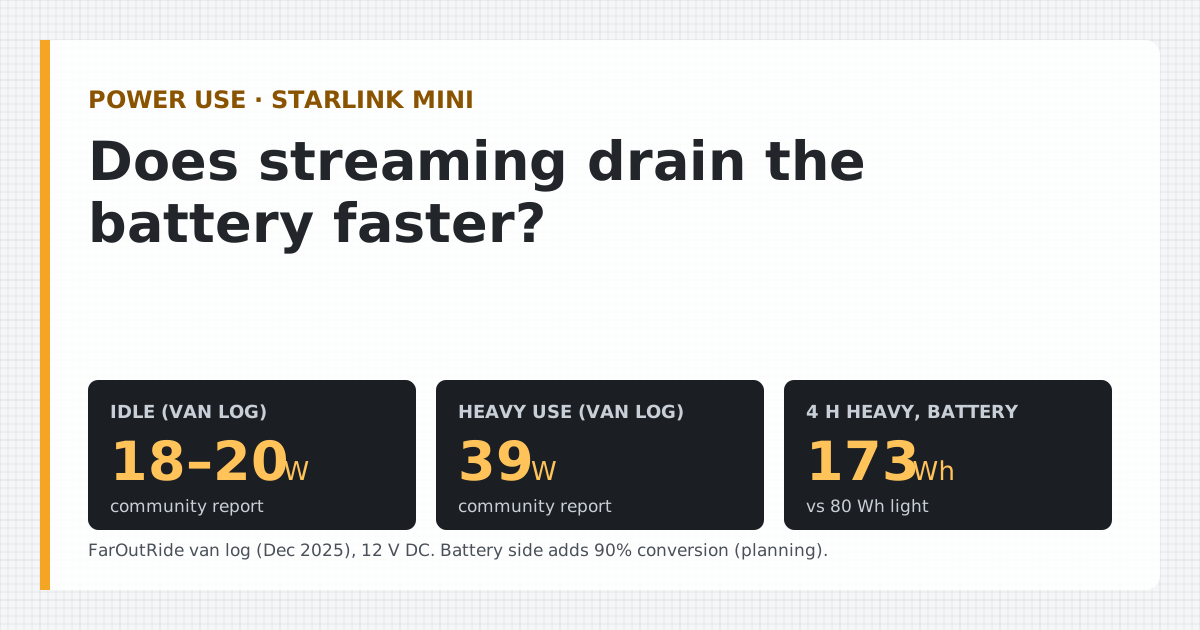
Does streaming drain a Starlink Mini's battery faster than light use?
Heavy data use roughly doubles the Mini's draw over idle in the owner logs we found. That matters more than which battery brand you pick.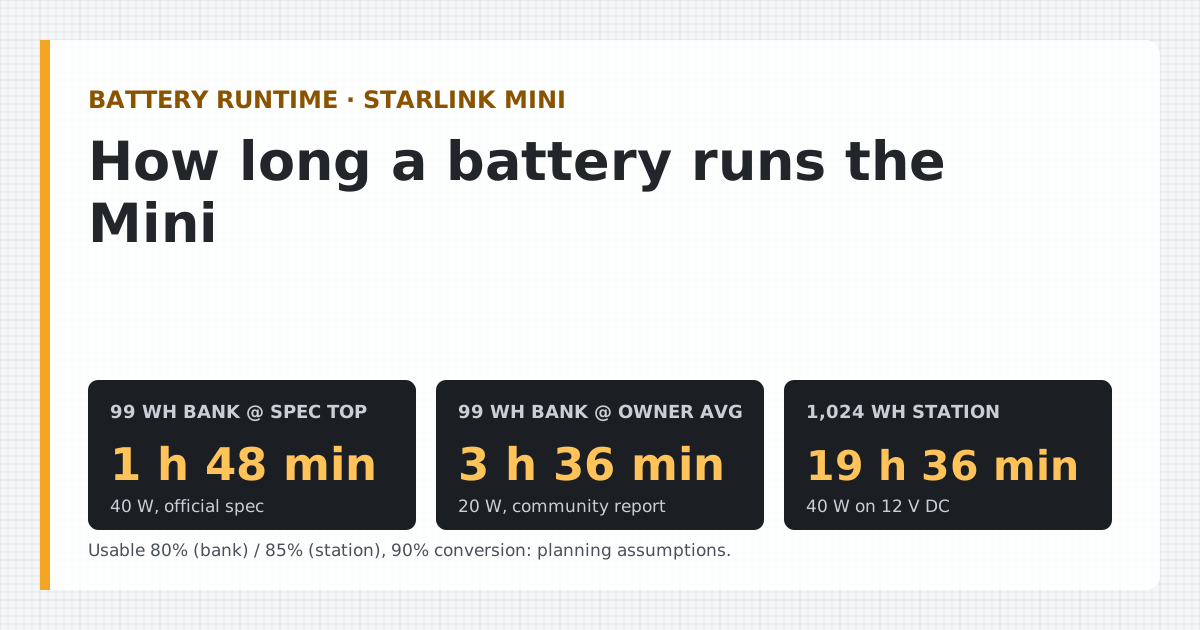
How long will a Starlink Mini run on a battery? The math, step by step
Two numbers decide it: how much energy actually leaves the battery, and how many watts the Mini pulls while you use it. Here is the arithmetic, with every input sourced.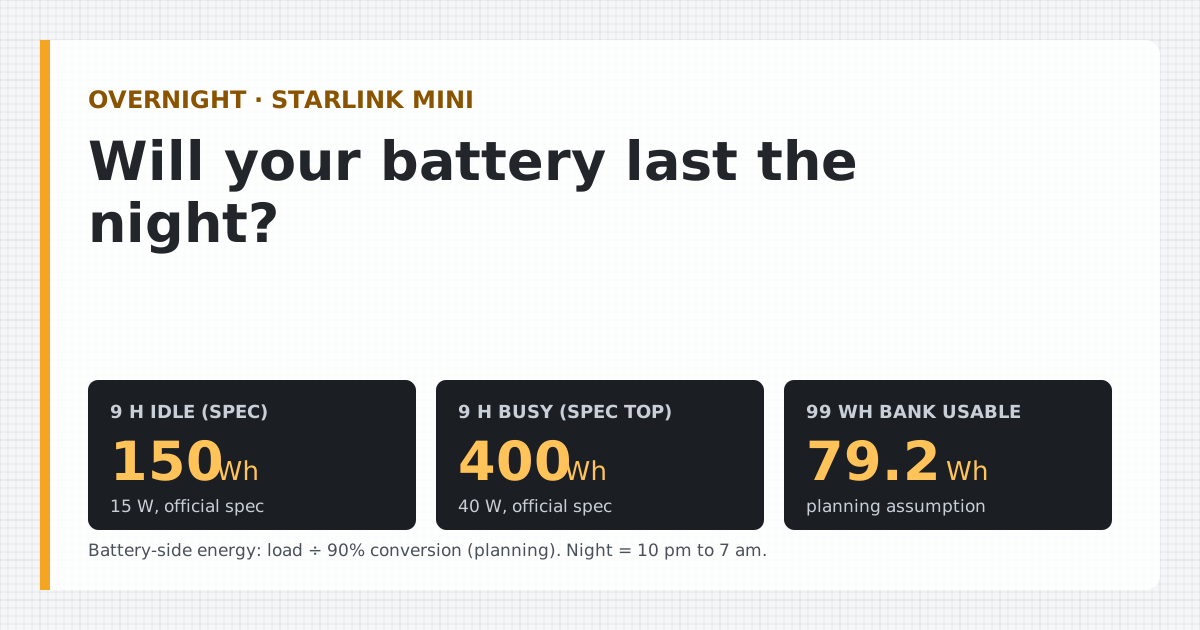
Running a Starlink Mini overnight on a battery: sizing with and without a sleep schedule
Leave it on and a 9-hour night needs a small power station, not a power bank. Put it to sleep and the overnight cost can nearly vanish, but so does your internet.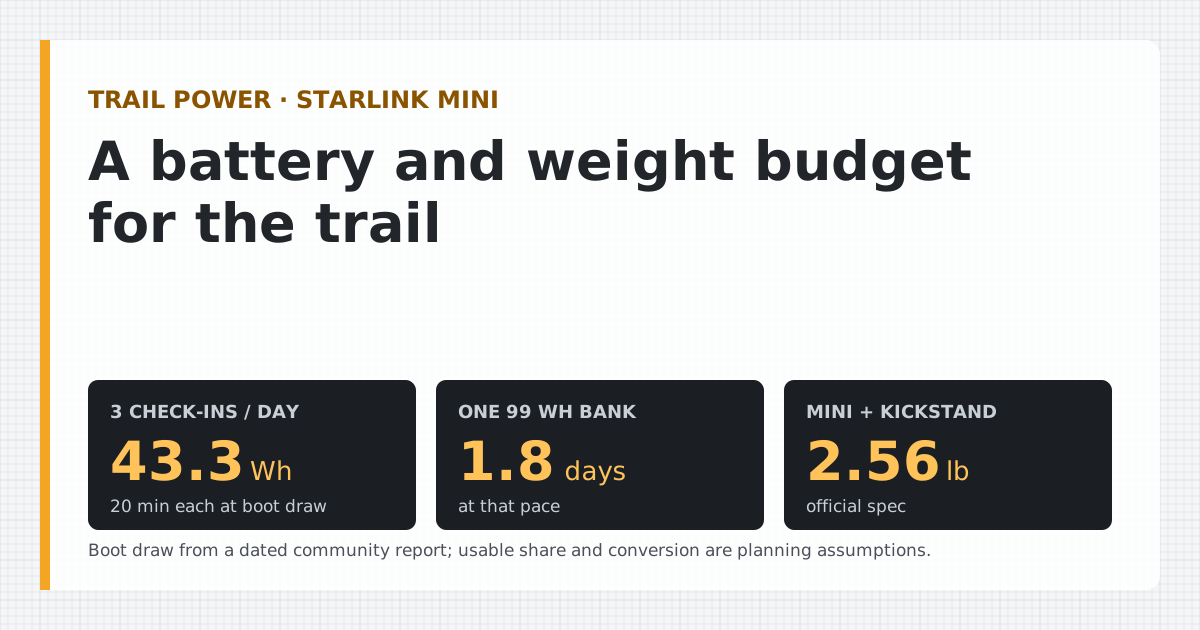
Starlink Mini backpacking: a battery and weight budget for multi-day trips
On the trail the Mini's power, not its weight, is the hard part. Short, planned check-ins stretch one 99 Wh bank across days; leaving it on empties it in an afternoon.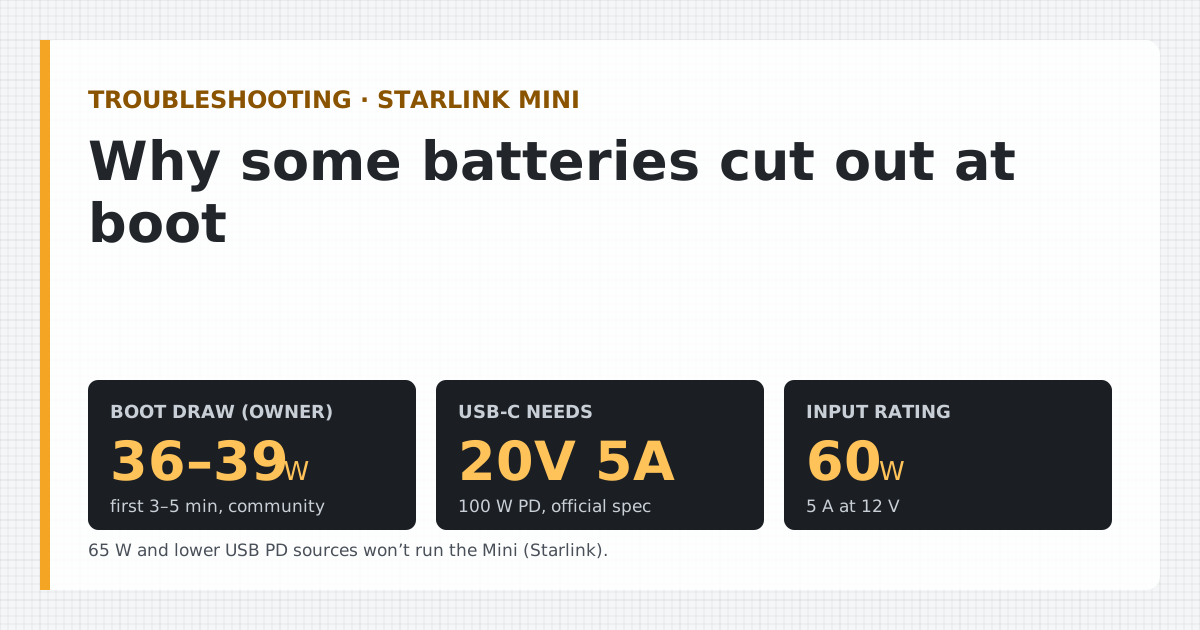
Starlink Mini startup power draw: why some batteries cut out at boot
If a battery runs the Mini fine once it's connected but won't get it started, the problem is the first few minutes: higher draw, a strict USB-C power profile, and voltage sag on long 12 V runs.
12 V and USB-C power Hub page →
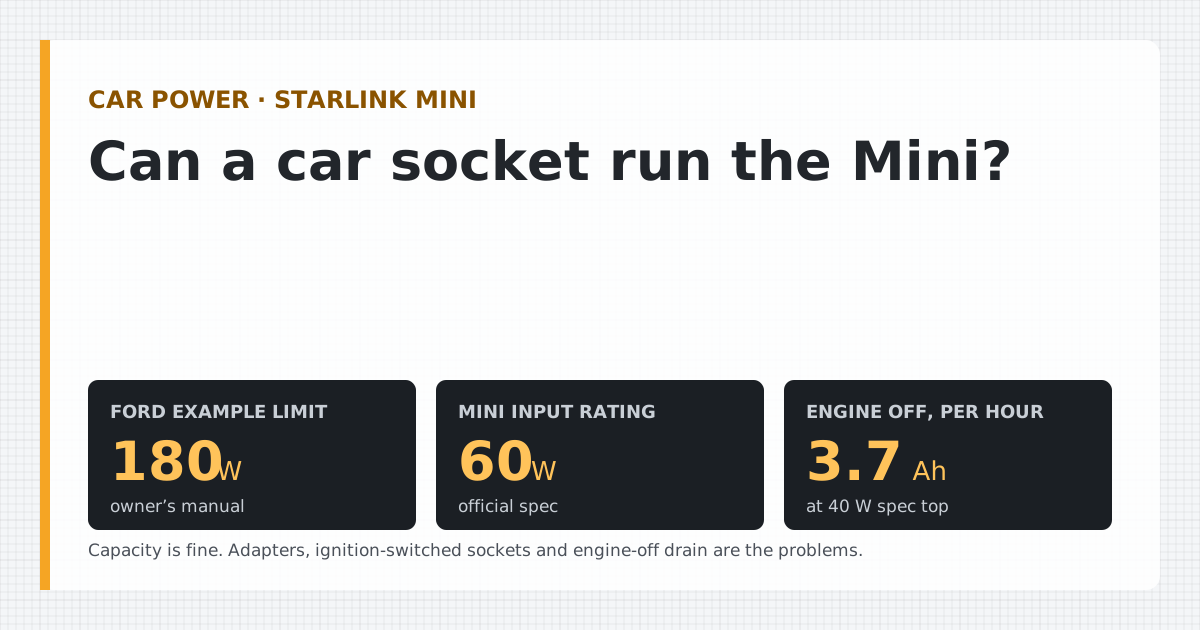
Can a car's cigarette-lighter socket run a Starlink Mini?
The socket isn't the limit. The usual problems are the adapter, sockets that switch off with the ignition, and draining the starter battery with the engine off.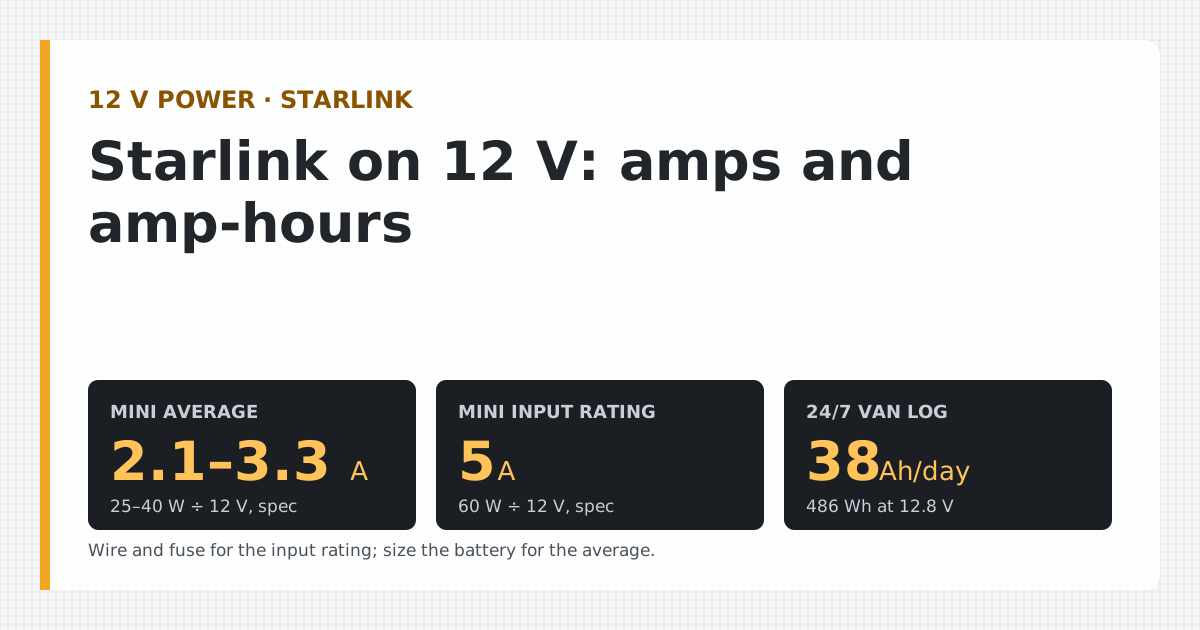
Starlink power consumption on 12V: amps, amp-hours and what changes by dish
Watts are what Starlink publishes; amps and amp-hours are what a 12 V battery owner needs. Here's the conversion for the Mini and the Standard, with owner logs to check it against.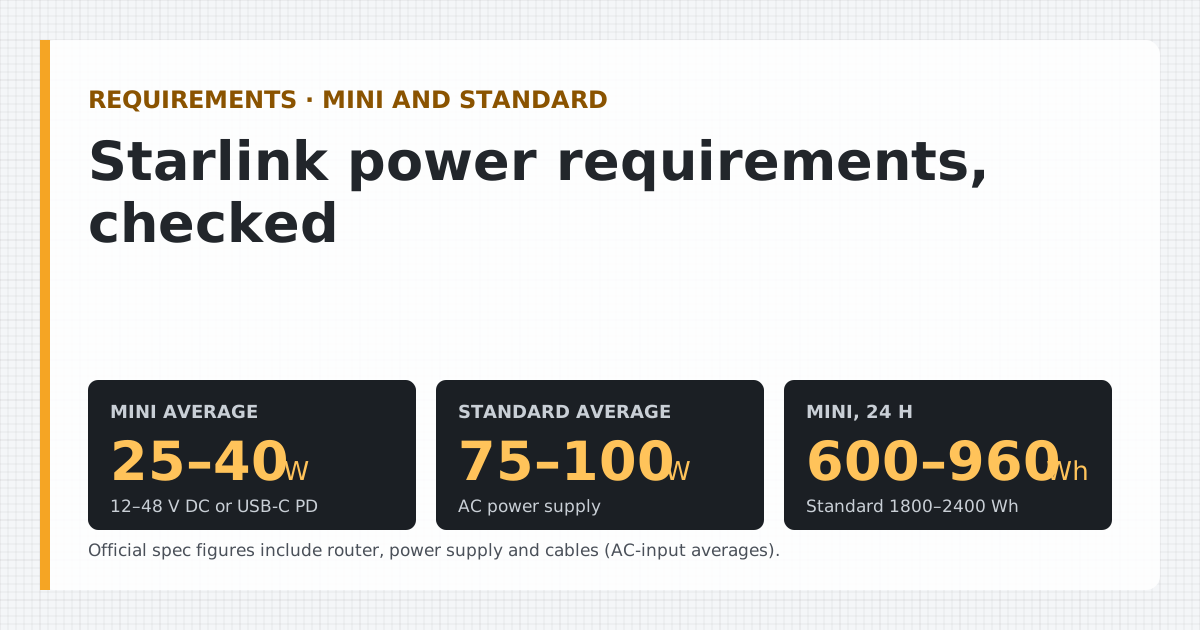
Starlink power requirements: the checklist before you buy a battery
Five numbers decide whether a battery, inverter or car socket can run your dish. Here they are for the Mini and the Standard, straight from Starlink's documents, with what each one means for the gear you buy.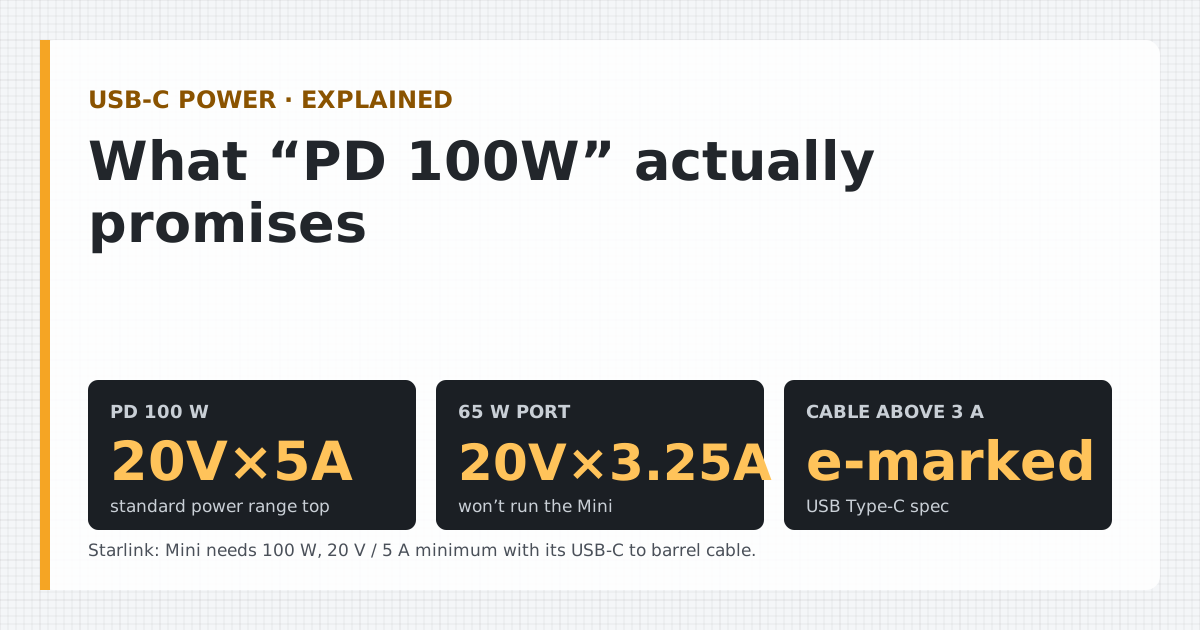
What "PD 100W" on a power bank actually promises (and why the Mini cares)
The Mini needs one specific USB Power Delivery profile: 20 V at 5 A. A big "100W" on the box doesn't guarantee it. Here is how to read the small print.
Solar sizing Hub page →
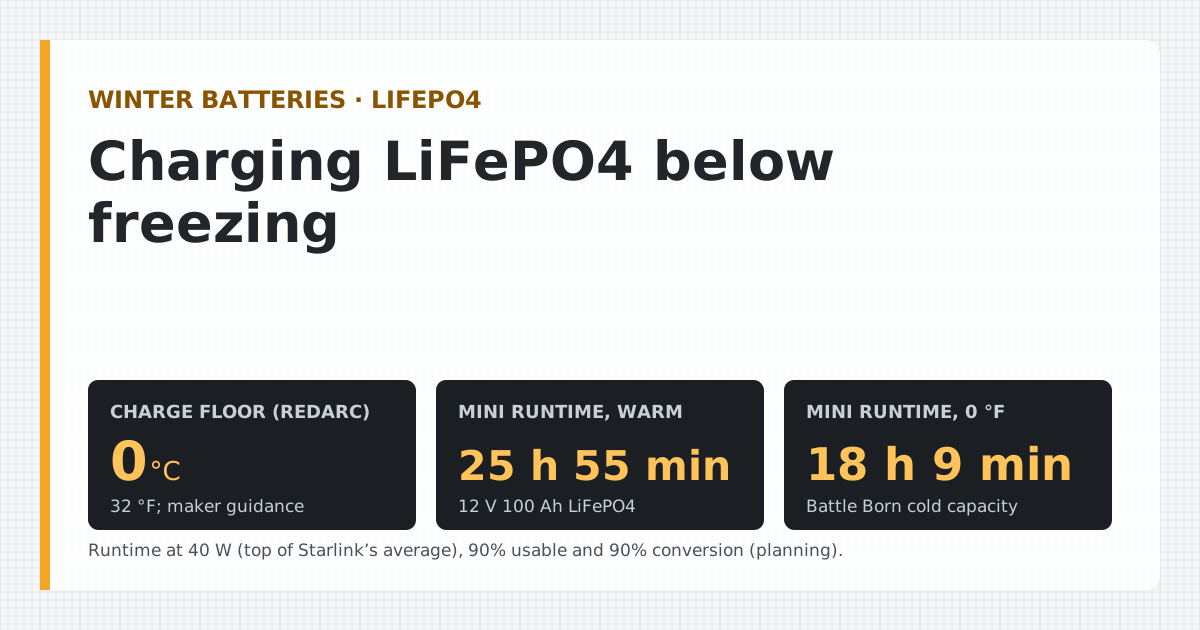
Charging LiFePO4 below freezing: what makers' limits mean for winter Starlink solar
The Mini is rated to run far colder than its battery can safely charge. In winter, the battery's temperature limit, not the dish, often decides whether your solar works.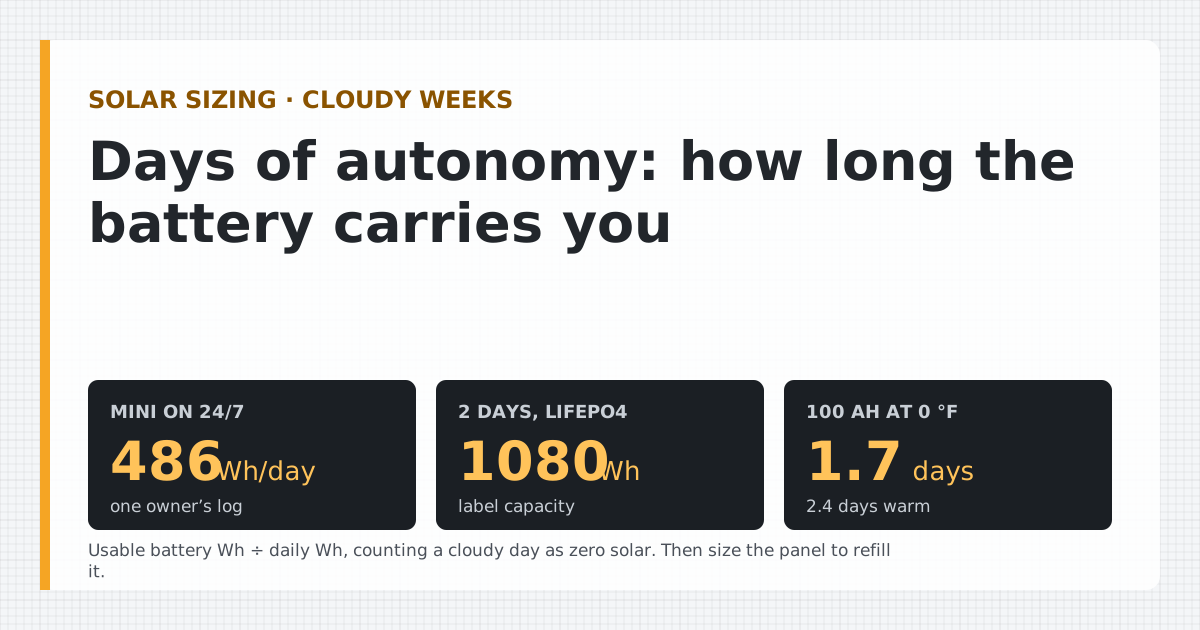
Cloudy weeks: sizing a Starlink battery for days of autonomy
Solar sizing covers an average day. Days of autonomy covers the bad ones: how long the battery alone keeps the dish online when the panel makes almost nothing, and how fast you get back to full.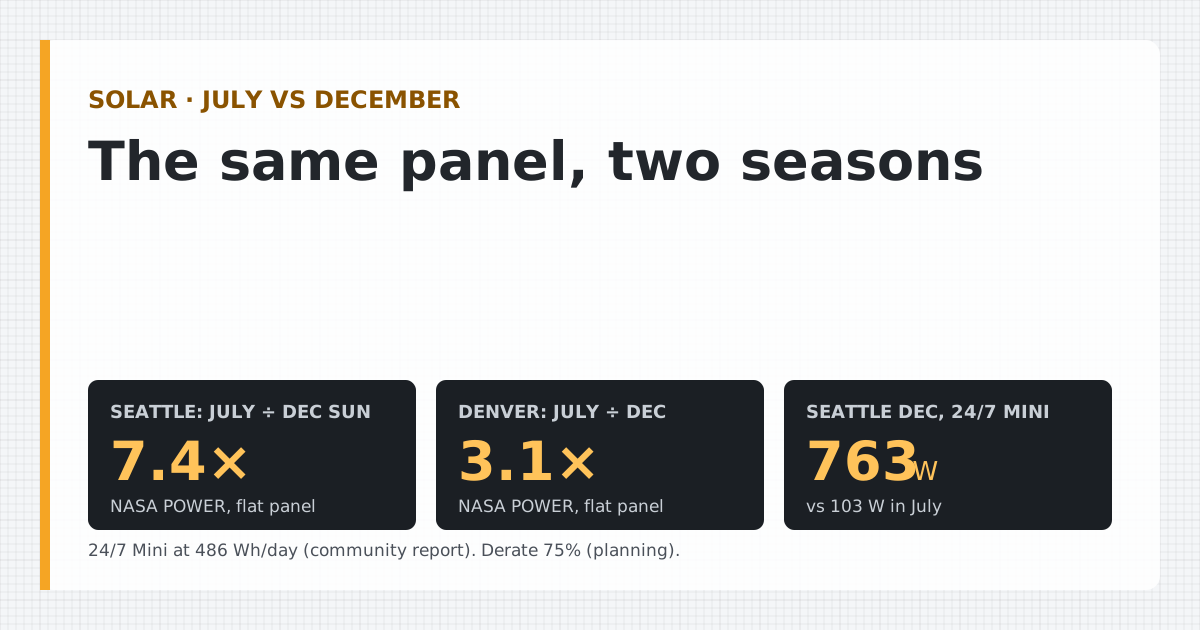
Starlink solar in summer vs winter: the same setup in July and December
December sun is a fraction of July's across most of the US, and the gap widens the further north you go. A panel that runs your Mini all summer can leave you short by November.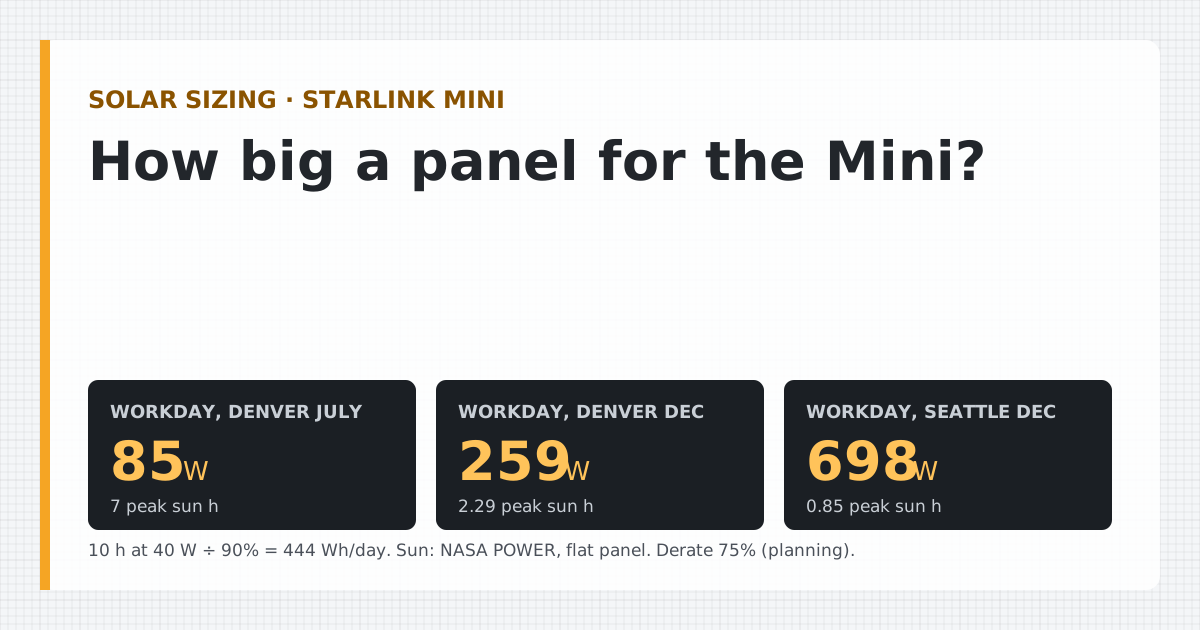
What size solar panel for a Starlink Mini? The three-number method
You need three numbers: how many watt-hours the Mini takes from your battery each day, the sun hours in your worst month, and a realistic loss factor. Everything else is division.
Mini vs Standard Hub page →
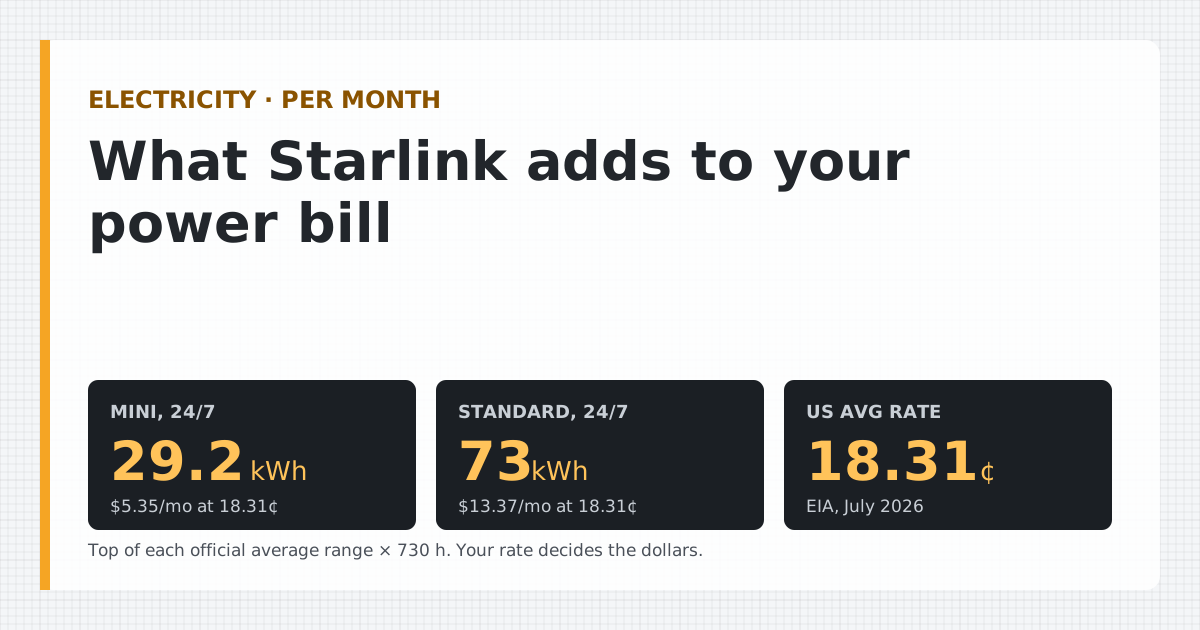
How much electricity does Starlink use per month? Mini vs Standard on your bill
On grid power Starlink is a small appliance: a few dollars a month for the Mini, roughly three times that for the Standard. Here's the arithmetic, and how to redo it with your own rate.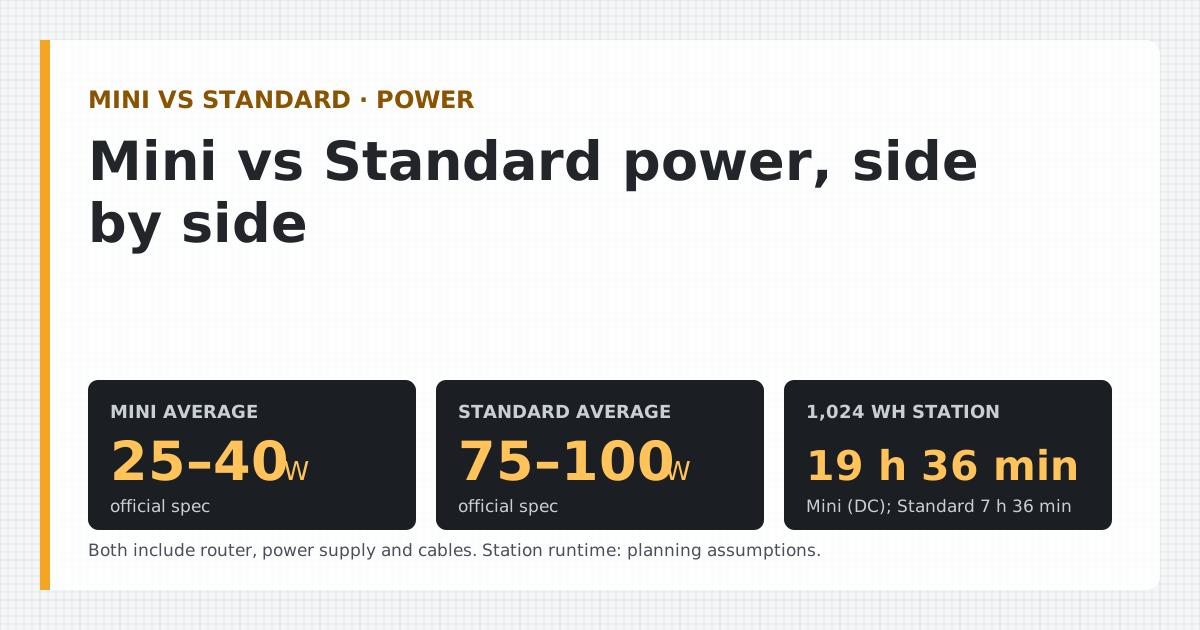
Starlink Mini vs Standard power consumption, side by side with sources
On Starlink's own figures the Standard draws two and a half to three times what the Mini does. On a battery that gap decides the size, weight and cost of everything else you carry.
Cases, weather and travel Hub page →
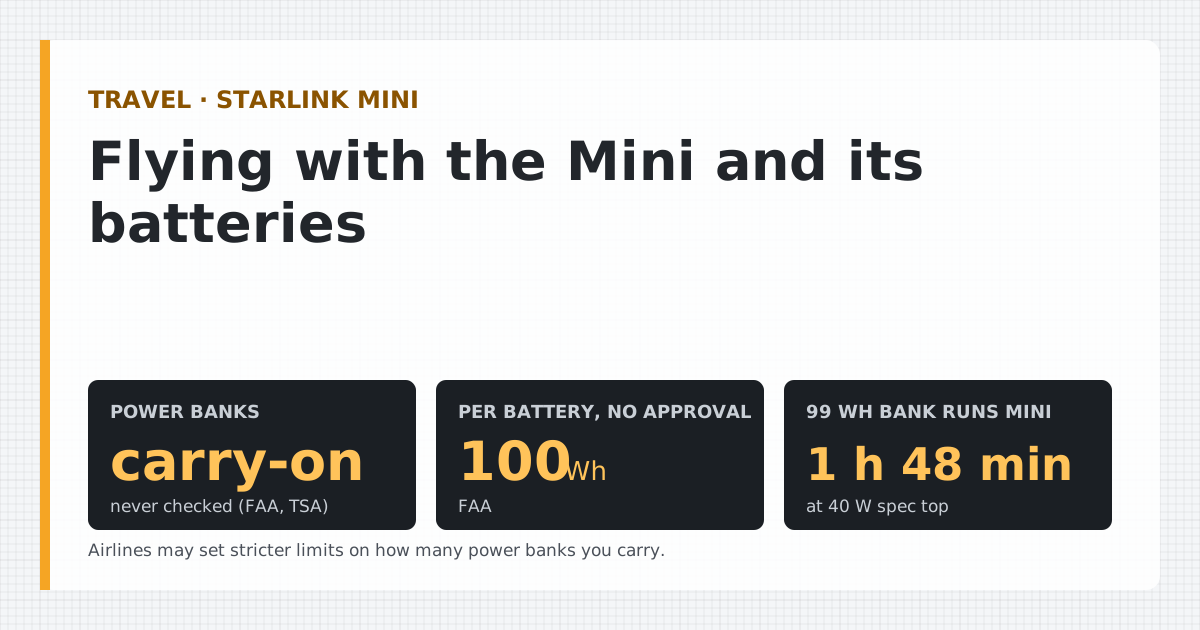
Flying with a Starlink Mini: carry-on, case and battery rules
Airport rules care about lithium batteries, not satellite dishes. Pack the power bank right and the rest is ordinary luggage.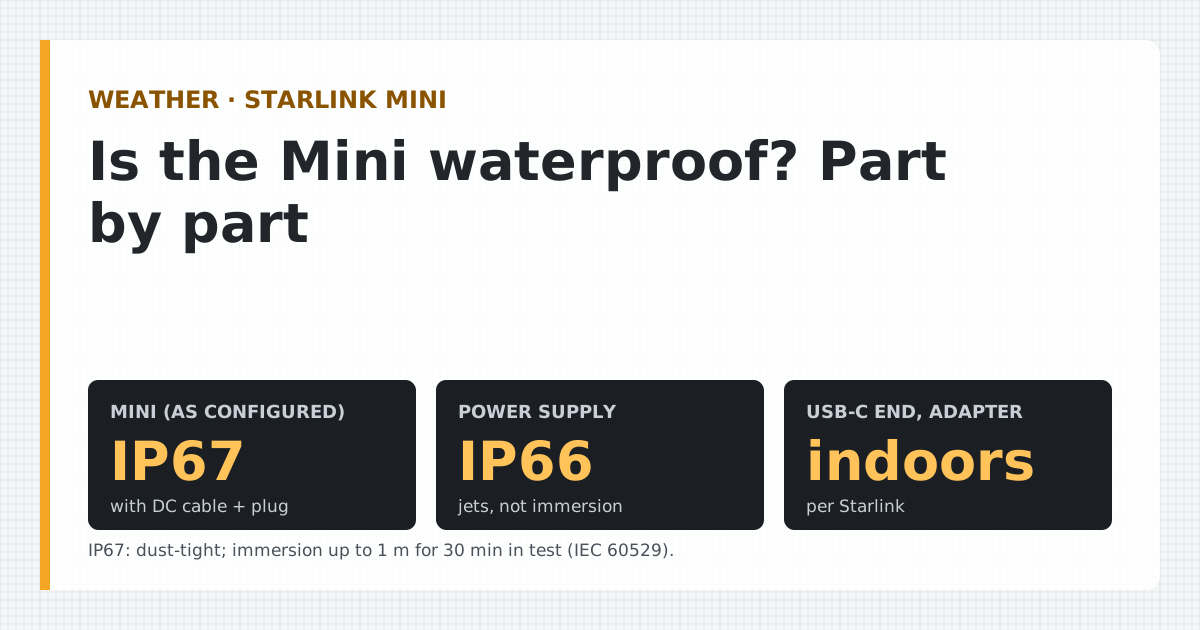
Is the Starlink Mini waterproof? What IP67 covers, and the parts that aren't
The dish itself is built for rain. The weak points are the connections you add: a standard Ethernet cable, the USB-C end of the power cable, the car adapter, and your battery.
Outage power Hub page →
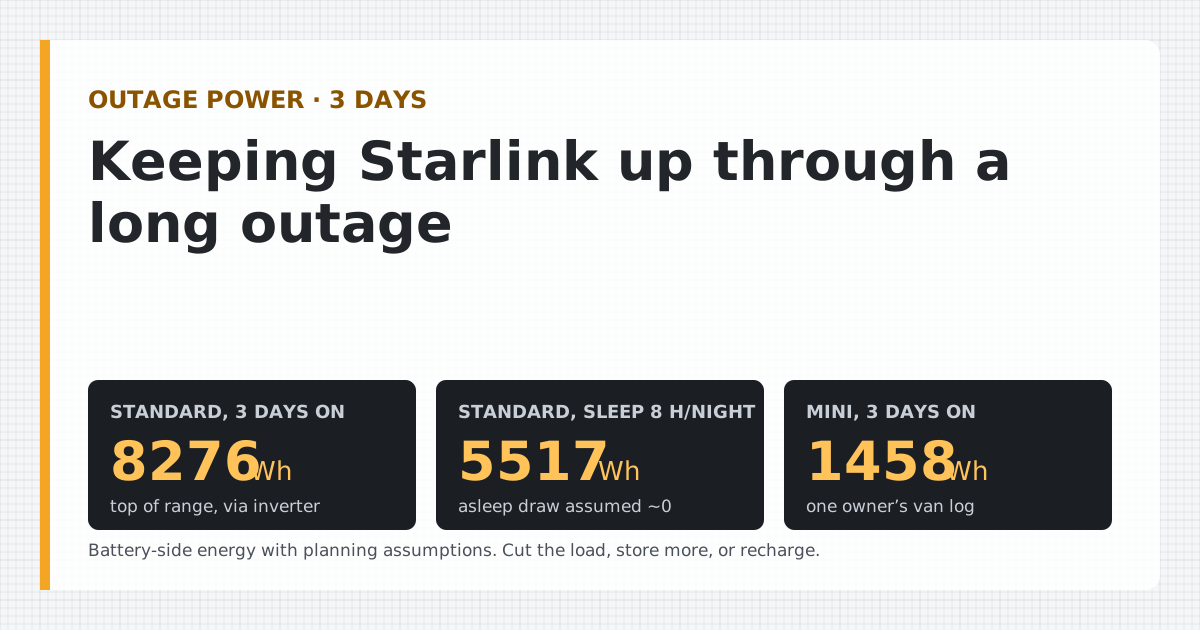
Keeping Starlink online through a multi-day power outage: a battery, solar and generator plan
One day of outage is a battery problem. Three days is an energy problem: no portable battery holds three days of a Standard dish on its own, so you cut the load, add a recharge, or both.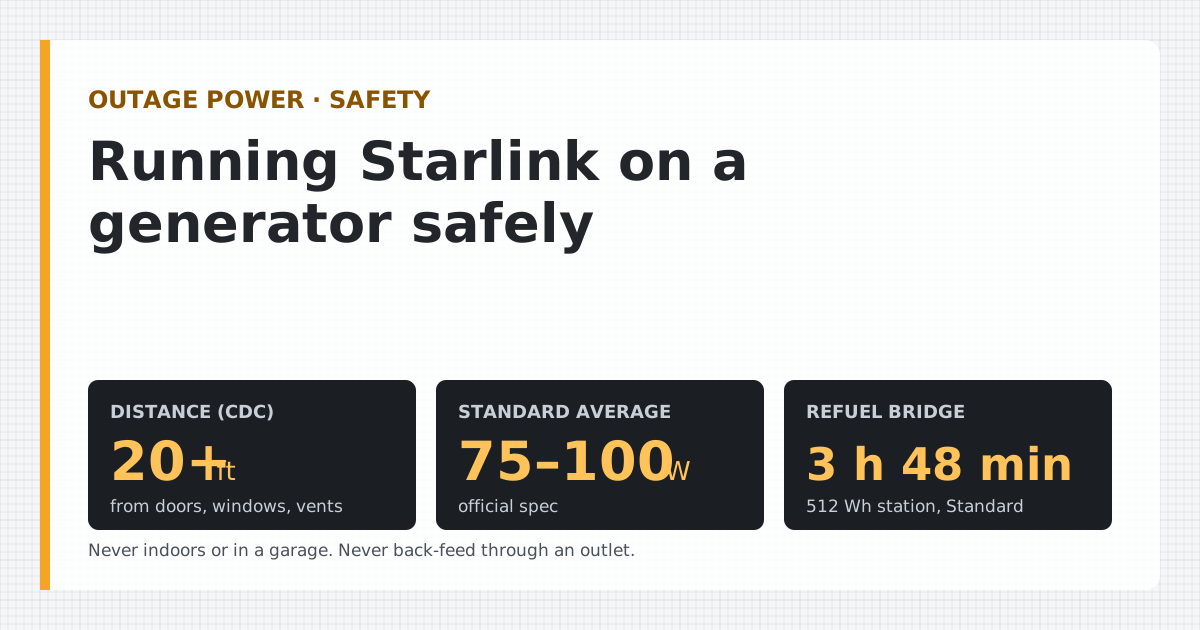
Running Starlink on a generator safely: placement, cords and no back-feeding
Starlink is one of the smallest loads a generator will ever run. The risks are all generator risks: exhaust, wet cords, and plugging into house wiring the wrong way.
Mini basics Hub page →
Heat, cold and weather Hub page →
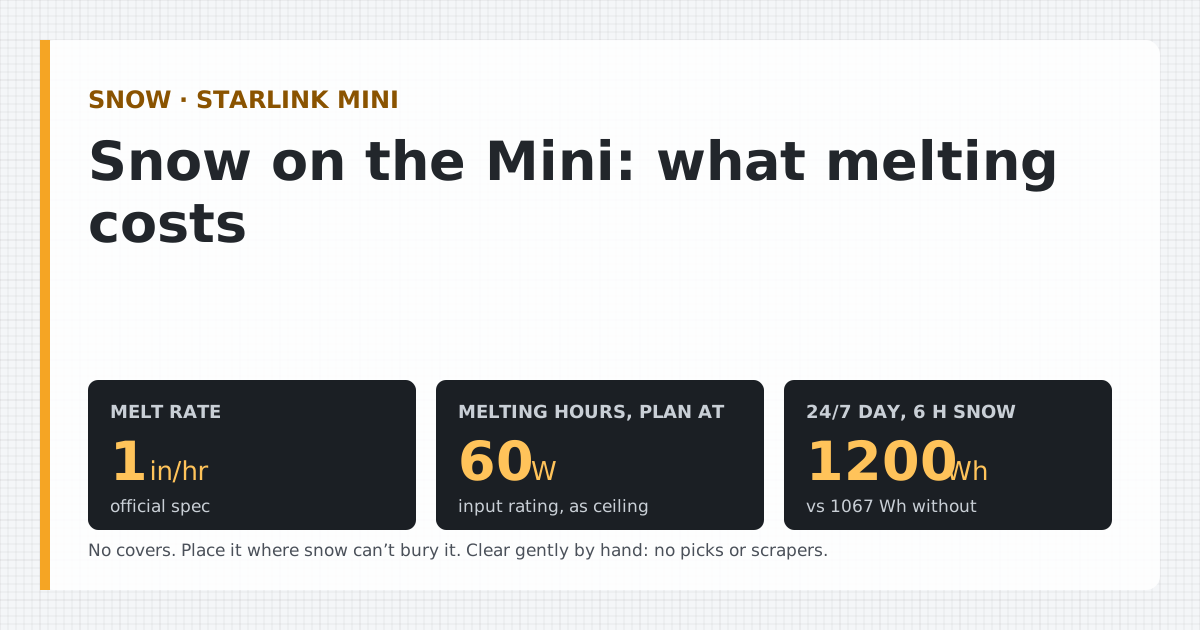
Snow on the Starlink Mini: what the spec says and what melting costs your battery
The Mini can melt snow on its own, and Starlink doesn't publish how much power that takes. Here's what the spec and support articles do say, and how to budget a battery for snowy days.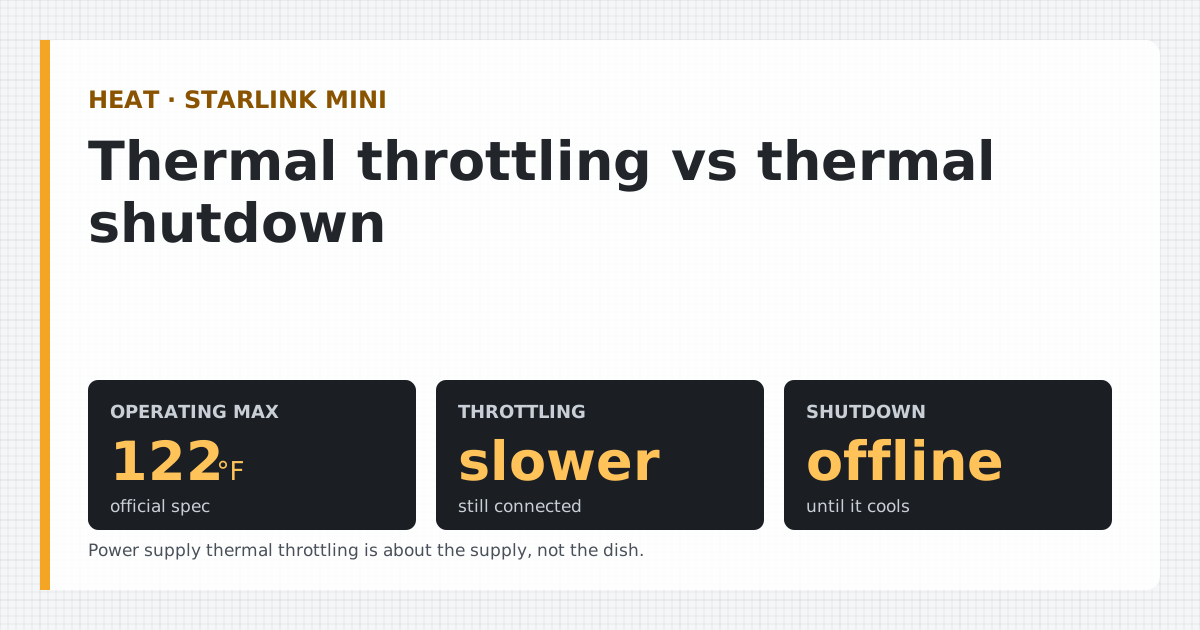
Starlink Mini thermal throttling vs thermal shutdown: telling the alerts apart
Starlink has four heat alerts, and they don't mean the same thing. One slows you down, two stop service until the dish cools, and one is about the power supply, not the dish.